Lawn Leveling in Houston, TX
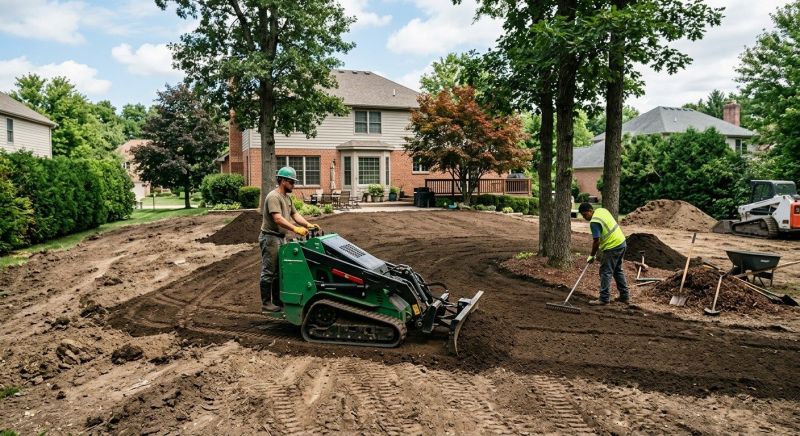
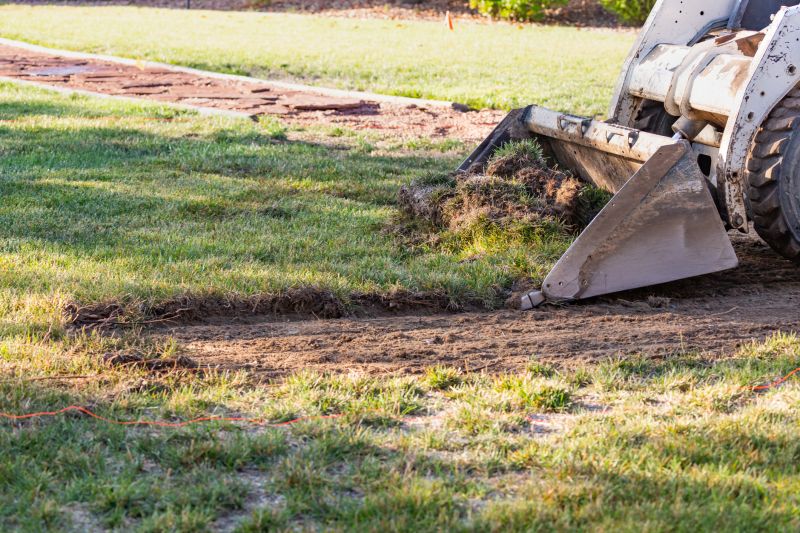
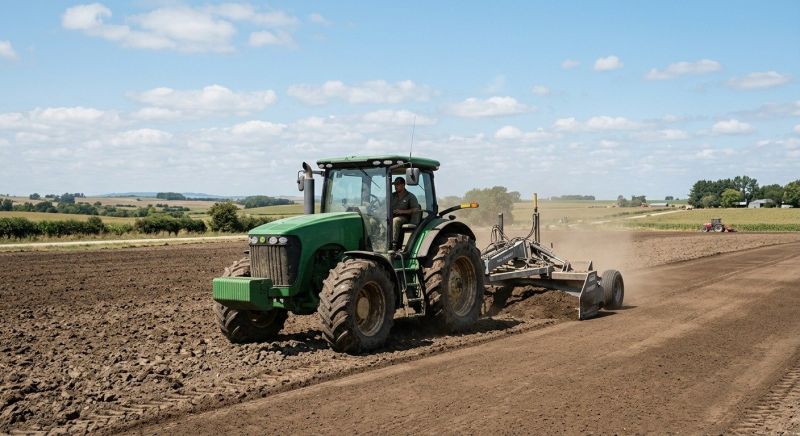
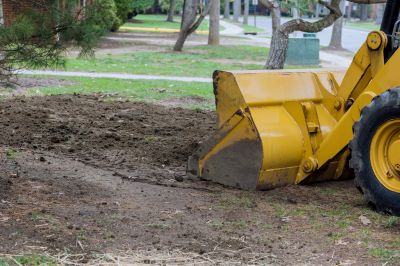
Lawn leveling services focus on restoring evenness and proper drainage to residential lawns. This process involves identifying areas of uneven terrain, such as low spots, mounds, or slopes, and carefully adjusting the soil to create a smooth, stable surface. Projects can range from minor touch-ups to larger-scale adjustments, especially in yards that have experienced settling, erosion, or uneven grading over time. Homeowners often seek lawn leveling to improve the appearance of their yard, prevent water pooling, and prepare the ground for new planting or landscaping.
Before requesting lawn leveling, property owners typically want to understand the scope of work needed, including the extent of soil adjustment and the type of soil used. It’s also helpful to know whether existing grass or plants will be affected and if additional steps, like reseeding or soil compaction, might be necessary. Clarifying these details ensures the project aligns with the desired outcome and that the lawn remains healthy and functional after the leveling process.
Many property owners in Houston, TX look into Lawn Leveling for repairs, replacements, upgrades, and appearance-related improvements.
Benefits Of Lawn Leveling
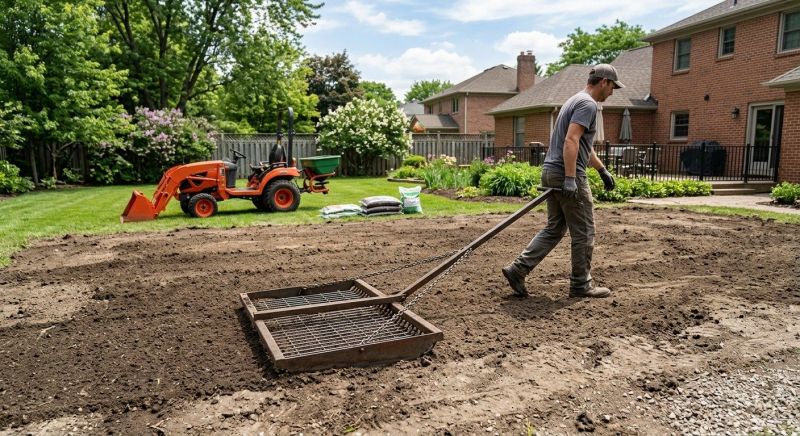
Proper leveling creates a safer, more even yard for outdoor activities.
Common Lawn Issues Addressed
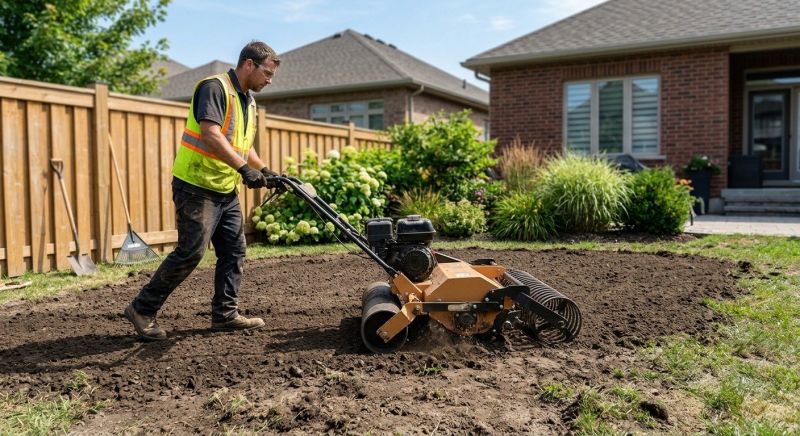
Lawn leveling can fix uneven terrain caused by settling, erosion, or heavy rainfall.
Ideal Projects For Lawn Leveling
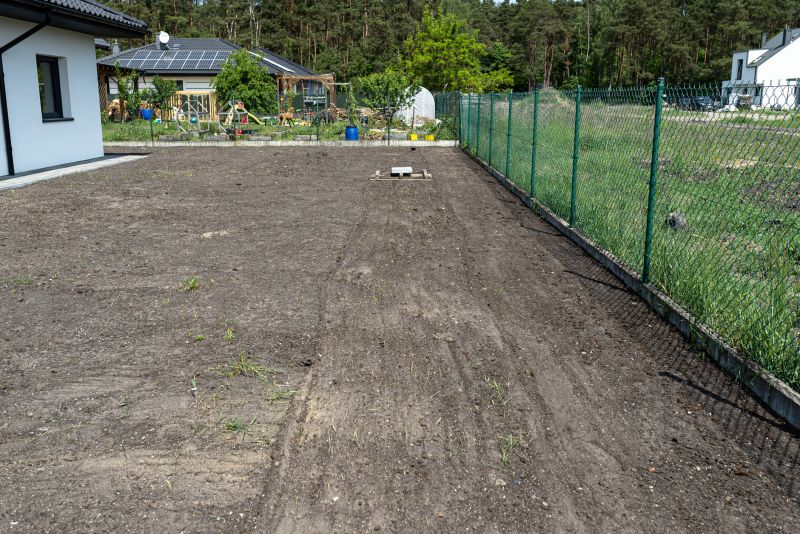
This service is suitable for preparing yards for new landscaping or improving drainage in houston, tx.
Lawn Leveling in Houston, TX

Lawn leveling services focus on restoring evenness and proper drainage to residential lawns. This process involves identifying areas of uneven terrain, such as low spots, mounds, or slopes, and carefully adjusting the soil to create a smooth, stable surface. Projects can range from minor touch-ups to larger-scale adjustments, especially in yards that have experienced settling, erosion, or uneven grading over time. Homeowners often seek lawn leveling to improve the appearance of their yard, prevent water pooling, and prepare the ground for new planting or landscaping.
Before requesting lawn leveling, property owners typically want to understand the scope of work needed, including the extent of soil adjustment and the type of soil used. It’s also helpful to know whether existing grass or plants will be affected and if additional steps, like reseeding or soil compaction, might be necessary. Clarifying these details ensures the project aligns with the desired outcome and that the lawn remains healthy and functional after the leveling process.
Many property owners in Houston, TX look into Lawn Leveling for repairs, replacements, upgrades, and appearance-related improvements.
Common Lawn Leveling Jobs
Leveling uneven lawns - restoring a smooth, even surface for safety and appearance.
Addressing dips and low spots - filling in depressions to prevent water pooling and erosion.
Correcting slope issues - adjusting grade to improve drainage and reduce runoff problems.
Preparing lawns for seeding or sod - creating a stable, even base for healthy grass growth.
Fixing settled or sunken areas - raising low spots to match the surrounding terrain.
Restoring lawns after grading projects - ensuring a level foundation for ongoing lawn maintenance.
Lawn Leveling Questions
What is lawn leveling? Lawn leveling involves smoothing out uneven areas to create a flat, even surface for better appearance and functionality.
When is lawn leveling needed? It is typically requested when there are dips, mounds, or uneven patches caused by soil settling, erosion, or poor initial grading.
How does lawn leveling improve a property? It enhances the lawn’s appearance, prevents water pooling, and creates a safer, more usable outdoor space.
What types of projects are common for lawn leveling? Common projects include fixing uneven patches, preparing the yard for landscaping, or improving drainage in the lawn area.
Request Lawn Leveling in Houston, TX
Use the quote form on this page to share the basics of your project and request more information for the type of work you need.